
Foundations of Great Gaming Practice
Strong gaming performance starts long before the screen lights up. Establish consistent routines, including warm-up micro-sessions to prime reflexes and sharpen focus. Build a balanced schedule that blends practice, rest, and social play to sustain motivation over weeks and months. By treating gaming like a craft, you reduce burnout and unlock steady improvement that translates into real-world in-game progress. Cara Daftar Jemputhoki
In practice, this means setting clear, measurable goals for each session, tracking metrics such as reaction time, decision speed, and accuracy. Use a simple notebook or a digital tracker to record wins and mistakes, then review patterns at the end of the week. Pair this with deliberate play—focusing on one or two specific skills per session—to accelerate learning and keep sessions productive rather than chaotic.
Choosing the Right Gear for Gaming Performance
Hardware matters less than how you use it, but choosing the right gear can shave seconds off your plays. A responsive mouse with a comfortable grip, a keyboard with tactile feedback, and a monitor with low input lag create a smoother foundation for action-heavy titles. Ergonomics play a crucial role; invest in a chair and desk height that support posture during long sessions, preventing fatigue and maintaining consistent precision across rounds.
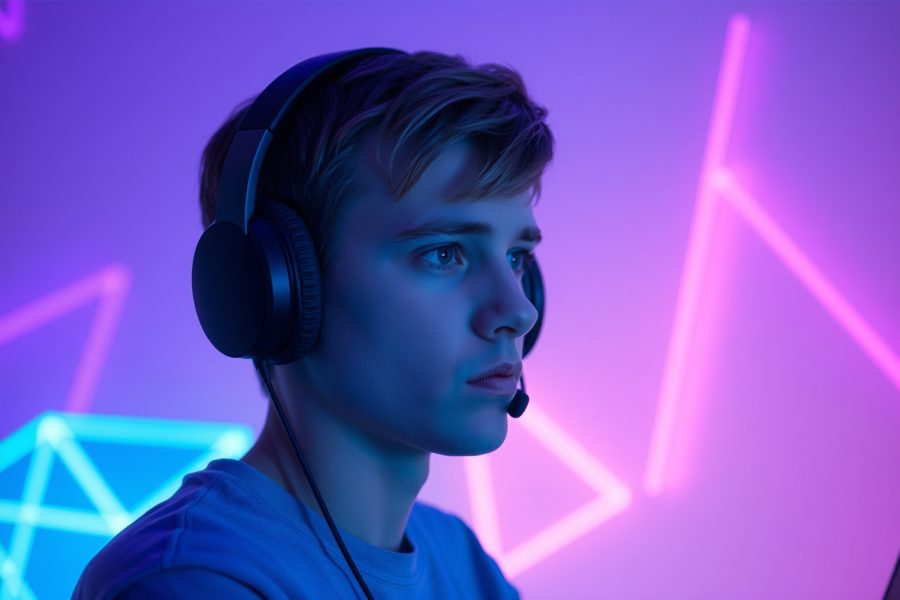
Sound design and headset quality also influence performance. A clear microphone helps team coordination, while high-fidelity audio cues—footsteps, weapon reloads, and environmental hints—can guide strategic decisions. Test different audio profiles to find one that highlights critical signals without blaring distractions, then standardize your setup for training and competition alike.
Strategies for Esports Readiness
Esports demands rapid decision making under pressure, so cultivate mental frameworks that translate into faster, more accurate plays. Develop a preference for high-percentage moves—choices with reliable outcomes—while maintaining situational flexibility to adapt to opponents. Regular scrims against diverse teams expose you to varied tactics, which strengthens your maps, timing, and teamwork under tournament-like conditions.
Communication is a cornerstone of modern esports. Create concise callouts, establish a shared mental model with teammates, and practice standardized rotations that reduce miscommunication. Review demo footage after sessions to identify misplays and misreads, then translate those insights into concrete micro-adjustments for your next practice block.
Game Reviews as a Learning Tool
Approach game reviews not as passive entertainment but as deliberate learning sessions. Post-match analyses reveal decision points, map control shifts, and resource management errors that shaped outcomes. Compare your approach with top players to identify gaps in timing, risk tolerance, and lane control, then implement small, trackable changes that accumulate into meaningful performance gains.
Beyond wins and losses, reviews should catalog situational counters—how different heroes, loadouts, or game modes respond to specific strategies. Build a personal library of scenarios and responses, revisiting them before future engagements. This habit converts abstract theory into actionable play, reinforcing adaptive thinking under pressure.
Maintaining Focus Across Long Sessions
Attention fatigue is a common hurdle for gamers pursuing serious practice or streaming schedules. Break sessions into focused blocks with short micro-breaks that include light movement, hydration, and visual rest to reset cognitive load. A consistent sleep pattern, balanced meals, and moderate caffeine use during the day help maintain alertness without jittery spikes in energy.
Mindfulness and breath control can stabilize arousal levels during tense moments. Simple exercises, such as 4-7-8 breathing or paced inhalations between rounds, reduce stress and keep hands steady. Pair these practices with environmental controls—cool room temperature, ambient lighting, and quiet noise levels—to preserve steady focus throughout extended gaming marathons.
Building a Supportive Practice Community
Learning thrives in social ecosystems that reward accountability and shared growth. Join or form practice groups that include players of similar skill levels and complementary roles. Structured sessions with clear objectives and rotating leadership foster ownership and sustained participation, while friendly feedback helps you identify blind spots that you might miss solo.
Participate in local tournaments or online ladders to test your progress against real competition. Exposure to diverse playstyles builds resilience and broadens strategic thinking, turning theoretical knowledge from game reviews into practical adaptation during matches. A supportive circle also buffers the inevitable frustrations that accompany skill development, keeping motivation high over time.
Healthy Habits for Longevity in Gaming
Long-term success relies on sustainable habits that honor both performance and wellbeing. Schedule regular physical activity, eye breaks, and posture checks to prevent repetitive strain injuries. Hydration and balanced nutrition fuel cognitive function, reaction times, and endurance, especially during multi-hour sessions or tournament weekends.
Develop a ritual for ending practice that includes a quick performance recap and a plan for the next day. This routine cements progress, maintains consistency, and reduces the cognitive load of starting anew each session. By treating practice as a continuous journey rather than a series of isolated wins, you preserve motivation and avoid the cyclic burnout that plagues many competitive gamers.