
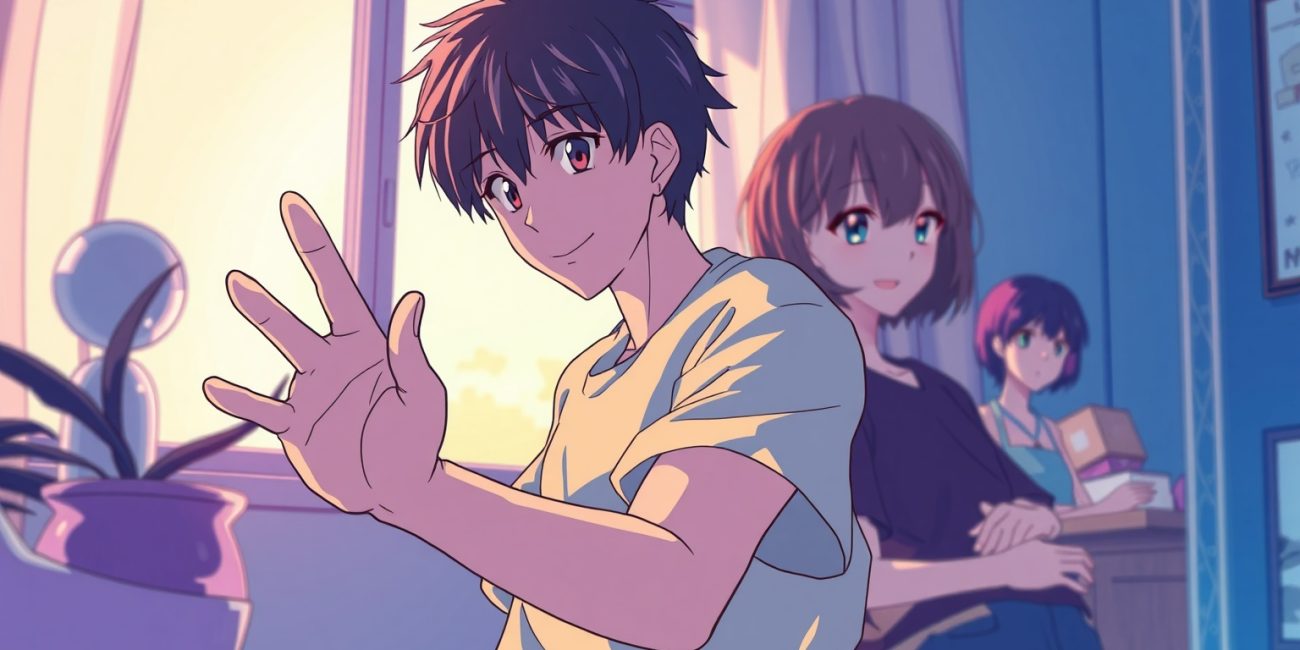
Opening: Setting the Stage for Mature Animation
For many fans, adult anime offers a rare blend of daring storytelling, explicit artistry, and niche subcultures that push the boundaries of mainstream entertainment. From hentai to ecchi, the spectrum covers content that challenges conventional norms while inviting serious discussion about consent, representation, and artistry. Raw Hitomi Online remains a gateway for some, yet it’s essential to navigate with care, curiosity, and critical thinking about what each title aims to achieve and how it resonates with diverse audiences.
As communities form around anime nsfw, readers encounter a range of production styles, narrative ambitions, and ethical considerations. Some creators emphasize storytelling and character depth, while others foreground visual fantasy and adult themes. This article surveys how adult anime integrates art direction, sound design, and pacing to craft experiences that are both provocative and thoughtfully constructed, without reducing characters to one-dimensional function.
Section Two: Craft Behind the Curtain
The production pipeline for mature animation often involves meticulous worldbuilding, character studies, and storyboard precision that rival mainstream dramas. Directors balance explicit content with plot momentum, ensuring scenes serve emotional arcs rather than existing solely for sensational appeal. In practice, this demands collaboration among writers, animators, and voice actors who share a vision for tone, atmosphere, and timing that respects the viewer’s investment.
Within this space, technical choices matter deeply. Lighting, camera angles, and texture work contribute to the tactile feel of scenes, while music and sound effects shape mood and tension. Writers frequently negotiate boundaries—what to imply, what to show, and how to convey intimacy without crossing lines that would undermine audience trust or artistic intent. The result can be a carefully balanced experience that blends adult themes with genuine storytelling craft.
Section Three: Genre Conventions and Variations
Hentai and ecchi occupy adjacent but distinct corners of the adult anime landscape. Hentai tends to present explicit sexual content as a central feature, often with a strong emphasis on fantasy or niche fetishes. Ecchi, by contrast, typically leans on suggestive humor, tease, and visual innuendo, offering a lighter entry point that can still carry emotional stakes and character development. Both approaches illustrate how genre conventions shape audience expectations and creative decisions.
Beyond these labels, subgenres explore romance, thriller, sci-fi, and supernatural themes, each reframing maturity through different lenses. Some titles foreground consent and agency through clear dialogue and boundary-setting, while others challenge norms with more provocative or controversial material. Viewers benefit from understanding these variations to select works that align with personal comfort levels and critical standards.
Section Four: Representation, Consent, and Ethical Viewing
Ethical viewing in adult anime involves considering how characters are depicted and whether scenes reinforce harmful stereotypes. Responsible productions strive for nuanced consent dynamics, diverse character voices, and avoidance of exploitative tropes. Audiences, in turn, can critically assess how a title handles intimacy, power, and vulnerability, rewarding works that treat participants with dignity and complexity even within explicit contexts.
Industry conversations increasingly focus on accessibility, aging characters appropriately, and avoiding voyeuristic framing that erodes narrative intent. Some creators experiment with non-sexual storytelling devices, using romance, tension, and character growth to sustain engagement beyond erotic moments. Such choices demonstrate that “adult” content can coexist with thoughtful, mature storytelling that respects viewers as partners in the viewing experience.
Section Five: Cultural Context and Global Reception
Adult anime circulates within a broader media ecosystem where cultural norms shape reception, distribution, and censorship practices. Some markets emphasize regulatory compliance, while others cultivate fan communities that celebrate niche artistry and fan-made works. The global conversation often highlights tensions between artistic freedom and social responsibility, prompting creators to navigate legal constraints without sacrificing narrative integrity or visual quality.
Audience responses vary widely, from those seeking taboo-breaking fantasy to others prioritizing character-driven drama and emotional resonance. The best titles manage to bridge these gaps by grounding explicit material in relatable motivations, vulnerabilities, and arcs that invite repeated viewings and discussions, rather than immediate dismissals or sensationalized critiques.
Section Six: Community, Fandom, and Responsible Engagement
Fandom around adult anime thrives on shared recommendations, analysis, and respectful dialogue. Communities often organize discussions around artistic techniques, voice acting performances, and scene composition, illuminating how creators achieve particular emotional effects. Engaging responsibly means avoiding harassment, respecting creators’ stated boundaries, and supporting works that demonstrate consent, care, and curiosity instead of gratuitous shock value.
Fans contribute by annotating scenes, comparing directorial choices, and exploring thematic resonances across titles. This collaborative scrutiny can elevate appreciation for craft and help new viewers select content that aligns with personal ethics and tastes. When communities emphasize thoughtful engagement, adult anime communities can become spaces for learning, critique, and shared passion rather than mere impulse-driven consumption.
Section Seven: Looking Forward: Trends and Responsible Innovation
Emerging trends in adult anime include experimental narrative structures, higher production budgets, and cross-media storytelling that expands a title’s universe beyond a single episode. New platforms and distribution models encourage diverse voices and more nuanced portrayal of intimate relationships while confronting ongoing conversations about consent and representation. The field continues to evolve as creators experiment with form, pacing, and supporting materials that deepen audience engagement.
As technology advances, animation studios increasingly leverage motion capture, AI-assisted workflows, and streaming analytics to tailor content without compromising artistic integrity. The challenge remains to balance innovation with ethical considerations, ensuring that adult anime remains a space where boundaries are explored thoughtfully, characters retain agency, and viewers can engage with material that challenges them while staying responsible.