Gardening for Calm Water: A Practical Guide to Pond Care and Plant Life
Create a tranquil garden feature by selecting pond plant varieties and managing water quality for healthy, thriving aquatic life.
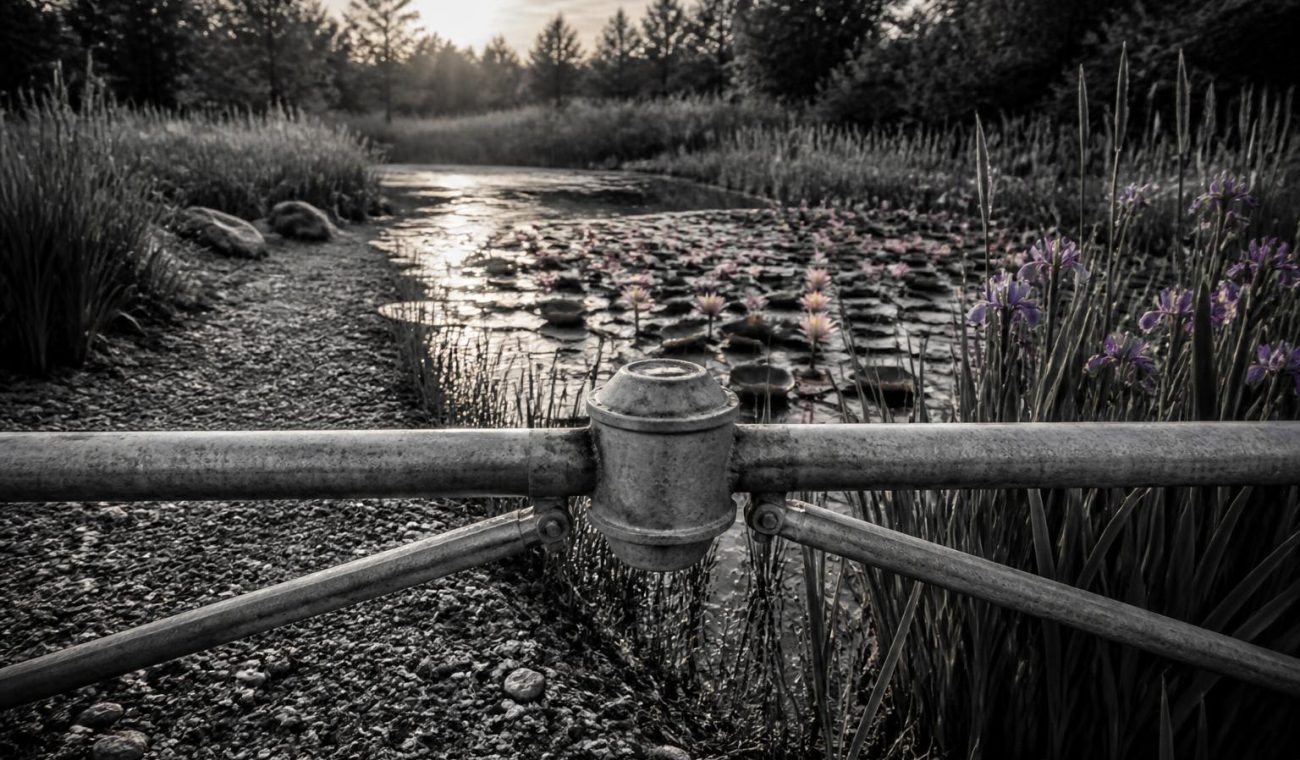
Designing a Small Water Feature That Feels Like a Real Pond
Creating a pond that feels natural begins with careful placement and thoughtful shaping. Start by choosing a shallow bowl or liner that gradually slopes to deeper water, allowing wildlife to explore different levels. Incorporate rocks, driftwood, and marginal plants at the edges to soften edges and invite frogs, dragonflies, and birds to linger, while avoiding sharp transitions that feel engineered. This approach helps the pond blend with surrounding plant beds and the broader garden landscape. For a deeper look, see British Pond Plants.
To ensure a successful integration, monitor sunlight exposure and soil drainage, as these factors directly influence algae growth and plant health. Installing a simple, energy-efficient pump keeps water circulating, while a netted area can protect delicate tadpoles during early development. With thoughtful placement and ongoing light and moisture management, the water feature becomes a calm, integrated part of the garden rather than a standalone ornament.
Choosing the Right Plants
- Water lilies add structure and bloom at mid-season, providing shade for aquatic life and a focal point for the pond’s surface.
- Marginal pond plants hug the banks, softening edges and delivering vibrant foliage that thrives in shallow water.
Selecting and Pairing Pond Plant Varieties for Year-Round Interest
Begin with a balanced mix of floating, submerged, and marginal species to create a dynamic, multi-layered aquatic vignette. Floating soups of waterlilies drift lazily on sunny afternoons, while deep-water plants anchor the bottom and keep the pond’s clarity intact. Combine hardy varieties with ornamental forms to achieve both texture and seasonal color without overwhelming the water’s natural calm.
When choosing species, consider how each will perform in your climate and the pond’s depth. Submerged plants like hornwort stabilize nutrients and reduce algae, while marginal picks provide shelter and journey spaces for wildlife. Regularly trimming and dividing plant clumps keeps growth in check and maintains a pleasing balance between open water and planted zones.
How to Maintain Clear Water and Healthy Plants
Maintenance starts with a regular check of filtration, aeration, and nutrient levels. Clean the skimmer and filter media monthly, replacing or rinsing media as needed to prevent clogging and nutrient buildup. A healthy balance of bacteria aids in breaking down organic matter, reducing sludge and keeping the water visually appealing for pond plant and fish life alike.
Seasonal tasks include partial water changes, targeted pruning of overgrown foliage, and re-potting crowded plant roots to preserve oxygen exchange and light penetration. By staying on top of routine care, you minimize pest outbreaks and keep the ecosystem stable, ensuring that water lilies and marginal plants continue to flourish across successive seasons.
Overwintering Strategies for a Resilient Pond
In colder climates, shelter sensitive marginal plants by lifting pots and placing them in deeper water during winter freezes, while ensuring the main heat layer remains unfrozen. For submerged species, avoid complete removal; instead, trim spent growth and reduce feeding to prevent decay offshore. A loosely covered pond with a breathable fabric can prevent rapid temperature shifts and protect aquatic life without sealing moisture in too tightly.
Begin planning late autumn maintenance by clearing debris that could harbor pests, and by monitoring water temperature toward the final weeks before frost. When spring arrives, gradually reintroduce nutrient-rich feeds and prune dead growth to stimulate fresh shoots. With cautious winter routines, you maintain an inviting, vibrant habitat for pond plant life once the season turns again.
Enhancing Aesthetic and Biodiversity with Texture and Color
Texture in a pond arises from a mix of leaf shapes and plant heights, creating visual interest without clutter. Pair broad, glossy leaves of water lilies with the fineness of narrow marginal grasses, and add color through blossoming varieties that lift the overall mood of the garden. Balanced planting schemes encourage pollinators and beneficial insects to visit the water’s edge, enriching the ecosystem outside the pond as well.
Color transitions between seasons keep the feature engaging throughout the year. Early sprouts bring fresh lime greens, midsummer offers deep burgundy or pink blooms, and late-season foliage deepens into autumn hues. By planning year-round color shifts, the pond becomes a living canvas that complements surrounding beds and pathways, rather than a static object in the landscape.
Practical Tips for First-Time Pond Keepers
For new hobbyists, start with a modest setup and a limited number of plants, then expand as you gain experience. Consider a ready-made kit that includes a liner, pump, and basic plant selections to simplify setup. Avoid overstocking the pond with plantings that shade water excessively or clutter the surface, which can limit oxygen exchange and lead to poor water quality.
As you become more confident, introduce a broader variety of species, including some hardy british pond plants to test, document, and refine strategies. Keep a log of weather patterns, plant growth, and water measurements to identify trends and adjust maintenance accordingly. This measured approach yields a resilient, inviting pond that supports wildlife and enhances garden enjoyment.