Smart Gardens and Cozy Interiors: Practical Home Garden Tips for Everyday Living
Transform your home with garden-smart strategies that blend interior comfort, outdoor beauty, and practical decor.
Maximizing Small Spaces: Outdoor-Into-Indoor Living
In compact homes, every square foot matters, and thoughtful layout can blur the line between indoors and outdoors. Start by selecting resilient, low-maintenance plants that thrive with minimal fuss and pair them with weatherproof containers. Use vertical planters on balconies or walls to free floor space for seating, while maintaining greenery that invites natural light. lidar technology can help map sun paths to optimize placement, ensuring your garden receives steady light throughout the day.
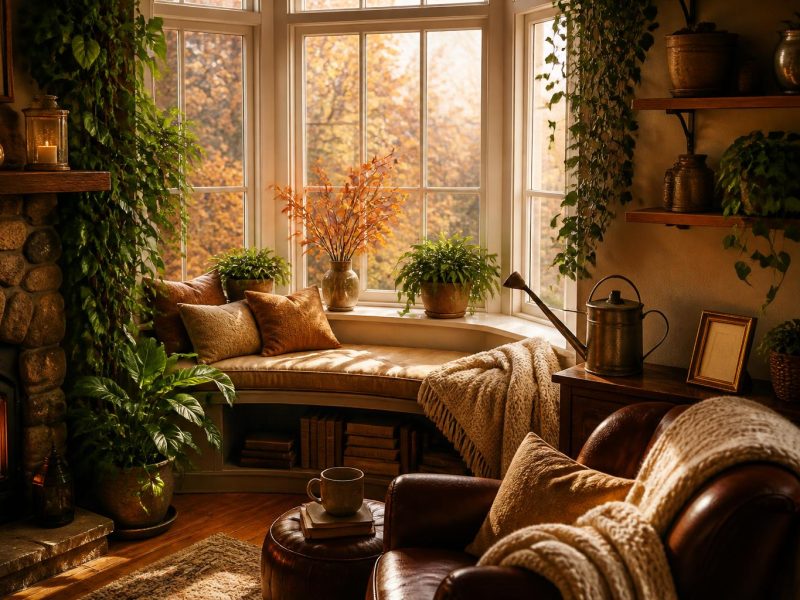
Within the interior, consider a plant-forward decor approach that uses color, texture, and form to reflect the outdoors. Place a small bench near a window to create a micro-greenhouse area, and select decorative pots that echo the tones of your exterior landscape. The goal is to create a cohesive mood where interior comfort meets garden texture, encouraging mindful, week-by-week care routines.
Soil, Water, and Care: The Everyday Gardening Routine
Great gardening starts with good soil and reliable watering habits. Build a simple regimen: weekly soil checks, a balanced slow-release fertilizer, and a consistent watering schedule that respects local climate. Choose mulch to conserve moisture and suppress weeds, then monitor plant growth to adjust nutrients as needed. A small composting habit turns kitchen scraps into rich soil amendments, supporting long-term sustainability in home landscapes.
Edge your beds with sturdy, low-maintenance edging materials that define spaces without feeling rigid. Integrate drip irrigation for efficiency, paired with rain barrels to capture runoff and reuse it during dry spells. This practical approach reduces chores and makes gardening more enjoyable, so you can focus on observing plant health and expanding your edible garden corner without overwhelming tasks.
Decor That Feels Like a Garden: Color, Texture, and Light
Decor in and around the home should harmonize with nature rather than compete with it. Mix natural textures—wood, stone, terracotta—with soft fabrics in garden-adjacent spaces to create a warm, inviting atmosphere. Use plant silhouettes in artwork or textiles to echo the garden’s rhythm, and choose lighting that softens evenings when you sit outdoors or admire interior greenery after dusk. Layered lighting helps spaces feel larger and more alive.
Interior design benefits from sustainable plant choices that support air quality and mood. Select foliage with varied leaf shapes to cast interesting shadows on walls, and pair those greens with warm neutrals inside. A well-curated decor plan bridges indoor comfort with outdoor vitality, turning every room into a tiny oasis that invites frequent use and gentle care of living elements.
Seasonal Transitions: Planning for Spring, Summer, Fall, and Winter
Seasonal planning keeps gardens productive and interiors interesting. In spring, refresh containers with new blooms and prune for balance, then map where sun shifts will position plantings for the warm months ahead. Summer is ideal for shade-loving perennials and edible herbs, while fall should focus on cleanup, soil enrichment, and overwintering strategies. Winter care is about protection and planning future scripts for vibrant cycles.
Create a seasonal interior calendar that aligns with outdoor tasks. For example, rotate decorative pillows and throws to reflect seasonal palettes, and move potted herbs to sunny windows to maintain their vigor. A thoughtful rhythm between home improvement projects and garden care ensures you remain engaged with both spaces, sustaining growth and comfort year-round.
Edibles and Aesthetics: A Small But Satisfying Kitchen Garden
Edible landscaping can be both practical and beautiful when you design with purpose. Start with compact varieties such as dwarf tomatoes, herbs, and leafy greens that thrive in balcony pots or a sunny courtyard. Group plants by water needs and harvest regularly to encourage continuous production, while colorful herbs and edible flowers add flavor and visual appeal to meals and decor alike. This approach blends nutrition with beauty in a single, manageable system.
Incorporate raised beds or tiered planters to maximize soil warmth and ease of maintenance. Add trellises for climbing varieties to save space and create vertical interest. The integration of edibles into the decor elevates home improvement goals by offering fresh ingredients for daily meals and a sense of accomplishment through hands-on gardening and design choices.
Water Features and Micro-Environments: Sound, Shade, and Serenity
Water features provide both visual interest and a cooling effect in hot months. A small fountain or trickling planter creates soothing sounds that enhance concentration in an interior workspace or a garden nook. Surround the feature with moisture-loving plants and reflective stones to double the sense of calm and space, while keeping maintenance straightforward with regular debris removal and planter cleaning.
Micro-environments can be crafted with shade structures, windbreaks, and strategic seating to create pockets of comfort. Use evergreen evergreens and hardy grasses to maintain structure through winter, while flowering perennials provide seasonal color. Thoughtful placement supports a tranquil, accessible retreat that blends interior comfort with outdoor vitality, reinforcing the home’s cohesive atmosphere.
DIY Projects that Tie It All Together: Budget, Skill, and Satisfaction
Home improvement often starts with small, doable projects that pay off in daily joy. Build simple wooden plant stands, repaint a balcony railing, or install a pegboard for tool storage to streamline gardening tasks. Choose durable finishes and weatherproof materials to extend life outdoors, then repurpose old furniture into planters or herb stations for a personalized touch that reinforces your decor ethos.
Document your progress with a simple garden journal that notes plant successes, weather patterns, and seasonal tasks. Use the notes to refine plant choices, container sizes, and layout for next year’s plan. A hands-on, thoughtful approach to DIY gardening yields a more resilient space and a stronger connection between interior comfort and exterior growth.