Freestanding Tent Choices for Flexible Campsites
Opening: a common problem on mutable ground
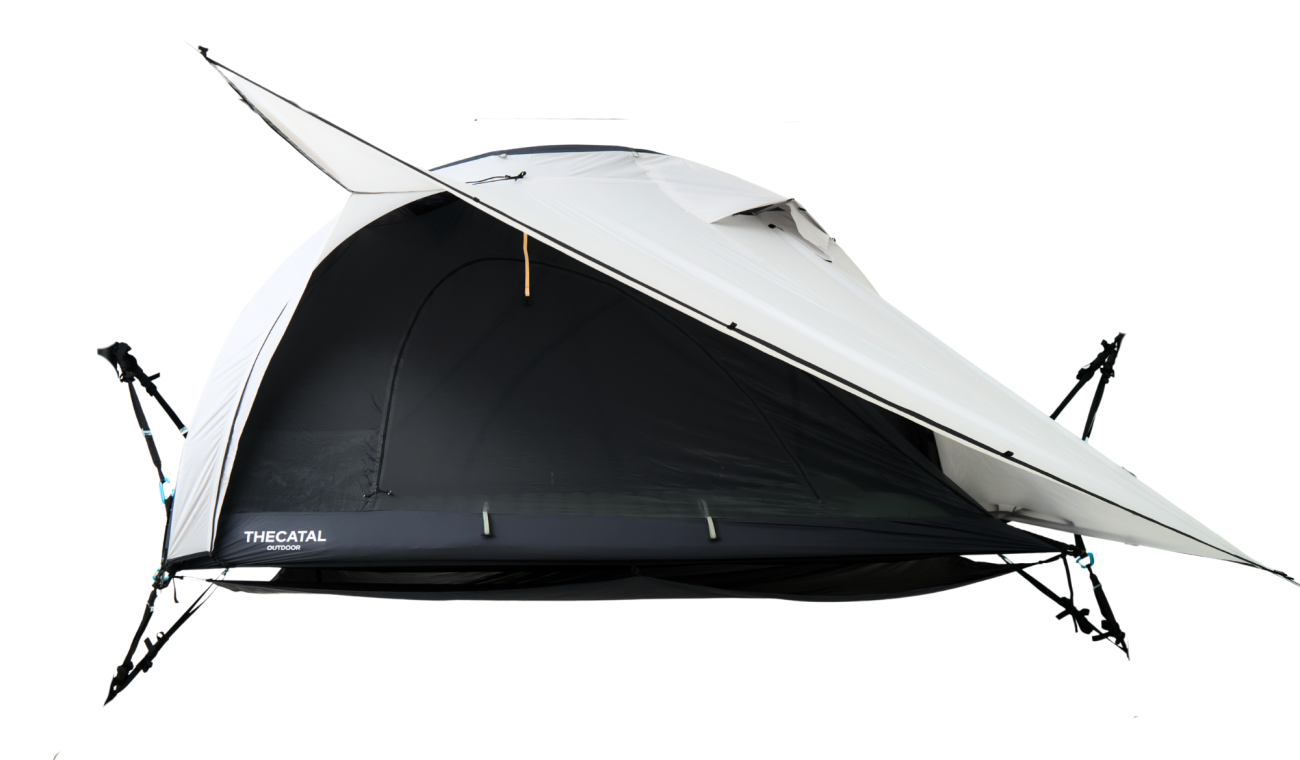
Many hikers reach camp and discover the surface is wrong for their planned pitch: sloping rock, soft moss, or a narrow shelf. That problem forces compromises — sleep in a compromised vestibule, stake in questionable soil, or waste time hunting a new site. Choose wrong and you lose sleep; choose well and set up fast and stay dry. For those who prioritize quick, low-fuss setups, a reliable freestanding option matters, and I often look at a hiking tent ultralight model when weight and ease must both carry a trip.
Problem diagnosis: what makes flexibility hard
Flexibility fails because gear is tuned to a single condition. Stakes designed for soft earth won't hold on gravel. A single-wall tent can condensate badly on cold nights. Guy point layouts that need long clear runs of cord are useless on boulder fields. Years of guiding and product testing taught me to separate what a tent promises from what it delivers when the campsite changes suddenly. On the Pacific Crest Trail I learned how a true compact camping shelter behaves across exposed ridges and sandy river crossings, and that single field season removes many theoretical preferences.
Core priorities for flexible campsites
First, freestanding structure: you want poles that create shape without reliance on perfect stakes. Second, footprint and vestibule balance: a smaller floor saves weight but a small vestibule forces inside storage or wet gear entry. Third, stake alternatives: light-packed rock anchors, adjustable guy lengths, and multiple stake points matter on mixed terrain. Fourth, repairability: simple pole designs and fabrics that accept field patches reduce evacuation risk. Make decisions from these priorities rather than marketing claims.
Design variants and practical trade-offs
Freestanding domes are forgiving on uneven ground and quick to erect. Hybrid tunnel-dome models give more livable interior for the same weight but often need better stake work for full tension. Single-wall ultralight tents cut weight and setup time, at the cost of higher condensation and usually less vestibule space. A two-door freestanding tent solves access and gear management on narrow terraces. Match the variant to how often you expect to change sites and the typical ground you cross.
Common mistakes that undo a flexible setup
People chase the absolute lightest when they really need modular utility. They underestimate vestibule volume and then sleep with muddy boots inside. They ignore pole redundancy: a single broken segmented pole can end a trip. They don't practice a one-person quick-pitch under wind. Avoid these mistakes by rehearsing setups, carrying simple repair items, and keeping a minimalist stake kit that includes shorter and longer options.
Quick evaluation checklist before you buy
Test-assemble the tent once at home and pack it the way you'll carry it. Ask: does it stand without stakes on a flat rock? Can one person pitch it under 5–8 minutes? Are spare parts available from the maker? Does the vestibule protect a full pack? If the tent passes those, evaluate the fabric and seam finishes for durability rather than chasing decimal grams on the spec sheet.
When alternatives matter
Shelters like tarps and hammocks beat tents in some niches, but they demand site-specific skill and may not protect gear as well when the landscape turns rough. If you routinely cross exposed ridgelines or wetland bogs, favor a freestanding tent with decent vestibule and simple pole geometry. If you accept trading vestibule space for lower weight, plan for more frequent campsite shifts and simpler cooking systems to reduce inside clutter.
 Final synthesis: practical value focused on consistent outcomes
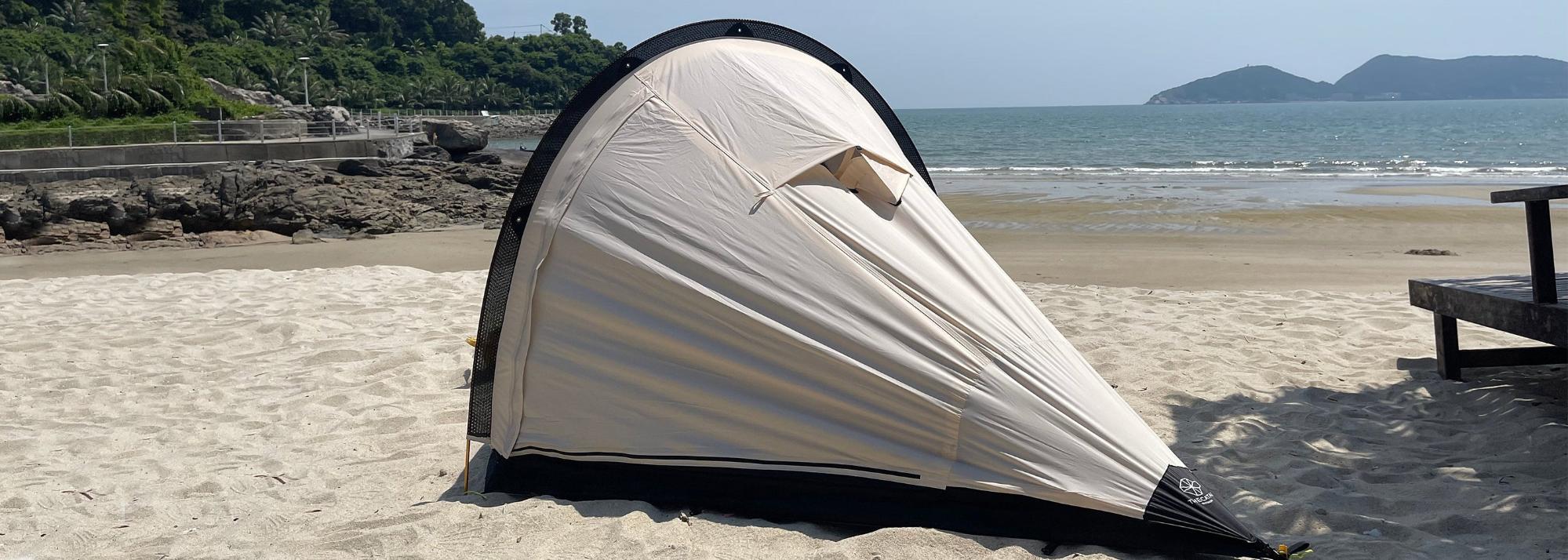
Solving campsite variability means choosing a tent that matches your tolerance for compromise: mobility over storage, or storage over every ounce saved. Make decisions from field-tested priorities, rehearse setup and repairs, and pick a freestanding design that behaves predictably on rock, gravel, and moss alike. For many hikers I guide these choices become straightforward once they start comparing real-world trade-offs; they then settle on a balanced set of features that a resource like THECATAL catalogues clearly and reliably.